Temp difference ΔT
— °C

Critical lanes need thermal resilience when schedules and handling depart from plan. Reusable, foil-sealed UltraST PCM modules for vaccines, biologics, and clinical specimens. Tuned to validated windows, they combine delay buffer, lid-opening recovery, and high-frequency turnaround. Shape-stabilized, sealed construction removes the free-liquid leakage contamination path in regulated pharma lanes.
1. Delays do not follow the plan. Airport handoffs, customs holds, last-mile dwell, and missed flights consume the temperature budget. In the UltraST product-site test, conventional ice packs reached the 2–8 °C boundary at about 28.2h; UltraST PCM extended the window to 39.6h, adding 11.4h of buffer.
2. Lid-opening events accumulate. Sorting, inspection, handoff scans, and sample access bring heat into the shipper. UltraST recovered to the compliance window in 10.2min after lid opening, 2.6× faster than the 26.4min ice-pack baseline.
3. Turnaround and leakage drive true cost. Conventional gel coolants need longer reconditioning and can create a liquid contamination path if damaged. UltraST is shape-stabilized and sealed with no free-liquid leakage path, recharges in 57min, and supports about 4 cycles per day.
So this page is not just about “adding more coolant.” It answers the operational question: can delays, lid openings, and damage risk be absorbed inside a validated temperature window while keeping the hardware reusable, documented, and lane-verifiable?
Test conditions are from the UltraST product site: 45L insulated shipper, 12 °C ambient, equal 3.21kg PCM mass, T1/T2/T3 three-point monitoring, and 51,000+ recorded data points. Specific lanes still require validation by shipper, payload, and ambient profile.
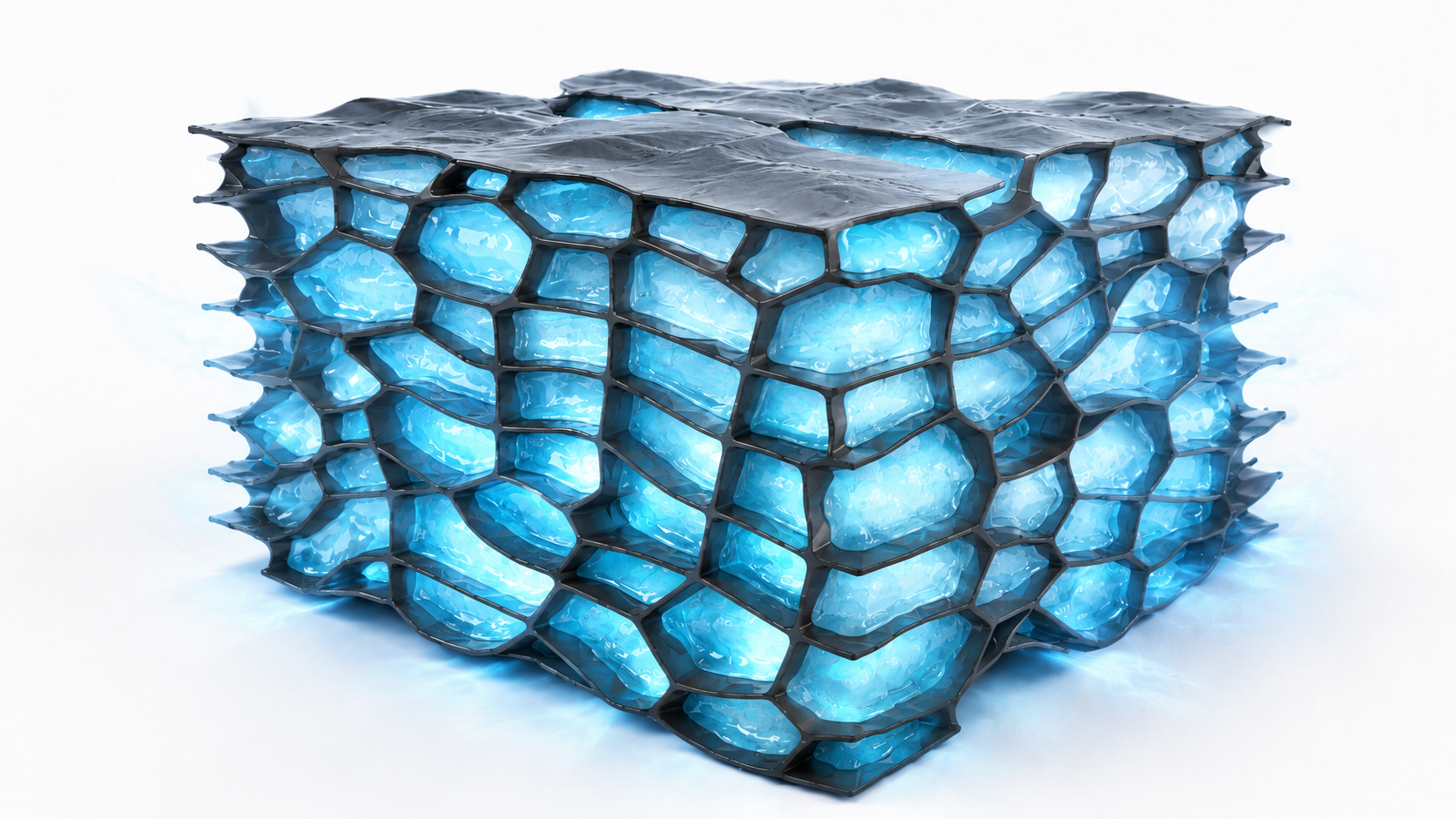
Ultra-high-conductivity shape-stabilized PCM — a continuous conductive skeleton locks the phase-change core for fast transfer, form stability, and leak-free operation.
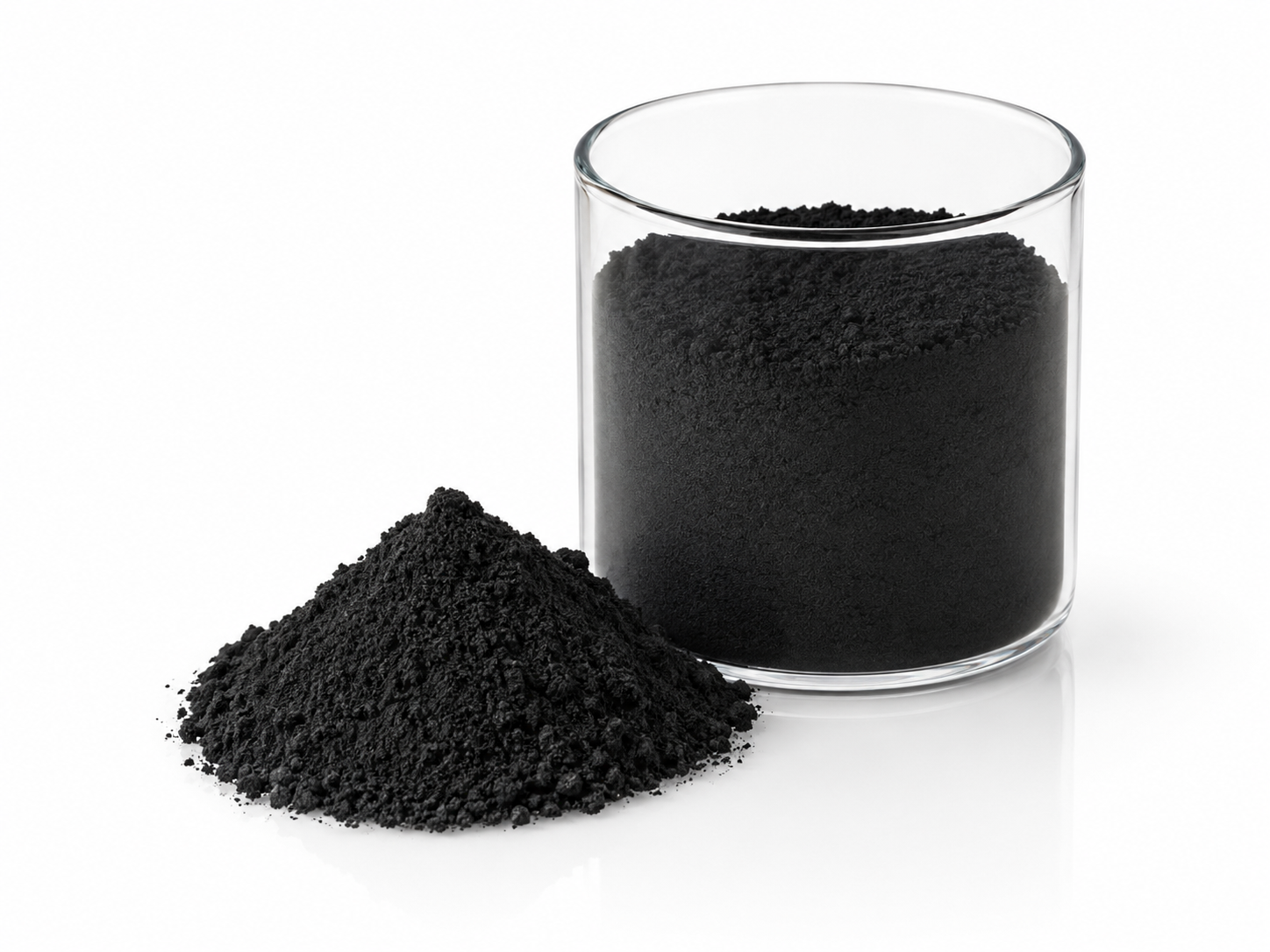
Specify Passive Edge encapsulated PCM into your existing reusable container or pack design. Phase-change temperature qualified to your validated cold chain window with full chemistry documentation.
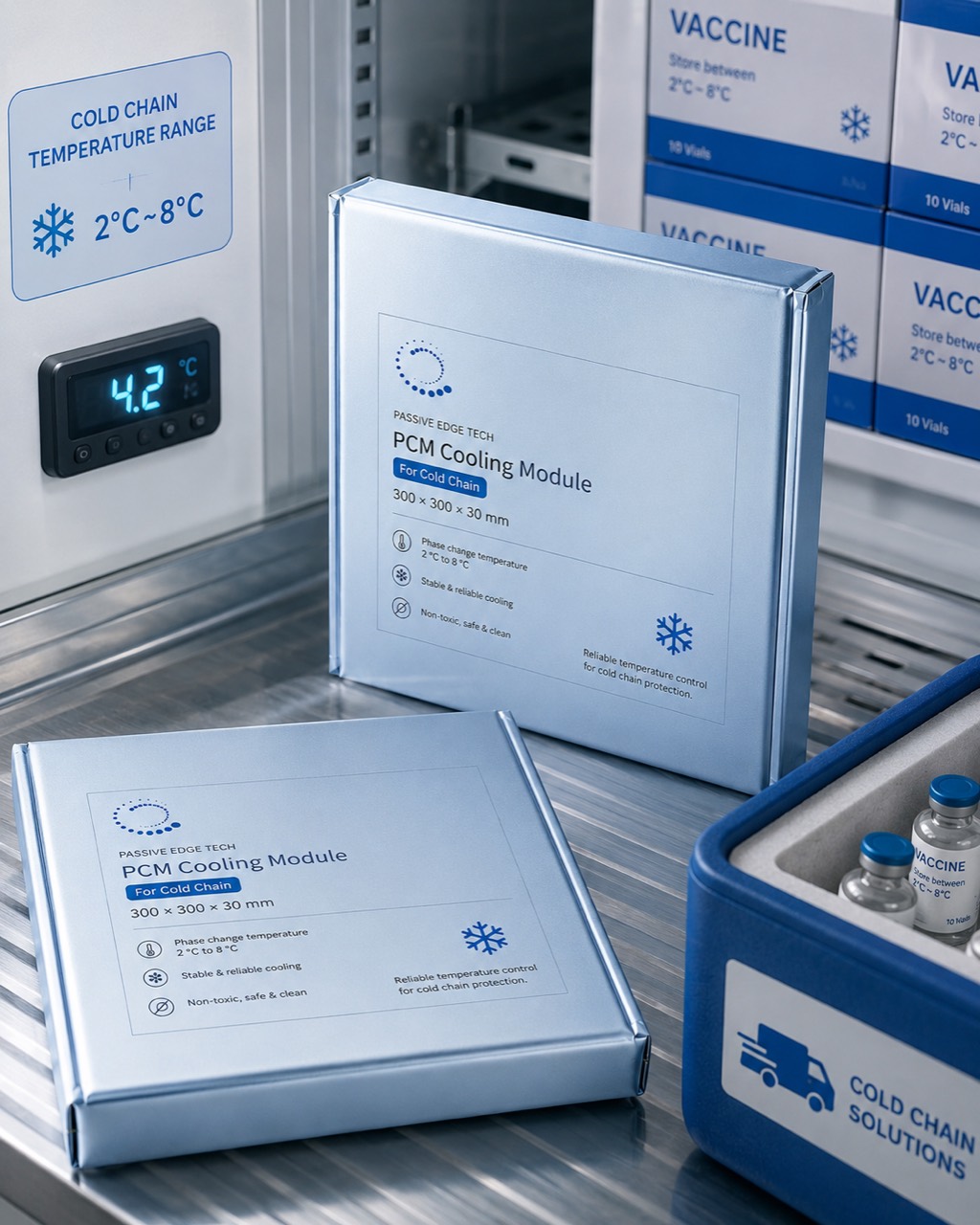
Pre-engineered shipper inserts and reusable container modules, sized for common pallet and parcel footprints. Validated for representative routes and seasonal envelopes.
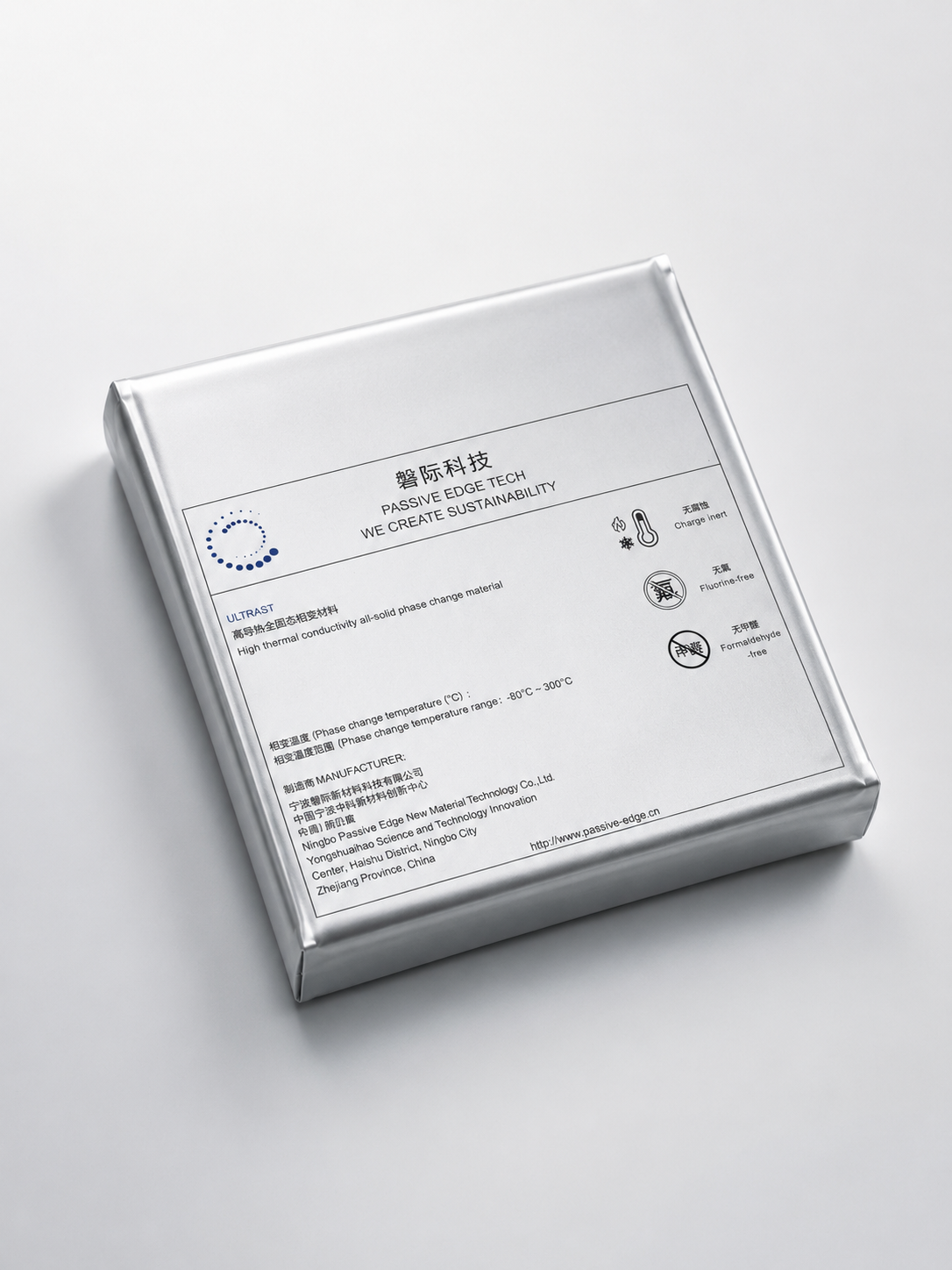 — Product · UltraST module
Every Passive Edge cold-chain module is built around UltraST PCM — an ultra-high-conductivity shape-stabilized phase-change material. A continuous conductive skeleton locks the phase-change core inside the foil seal, creating a shape-stabilized thermal buffer with no free-liquid leakage path for regulated lanes.
In the equal-mass PCM test, UltraST adds 11.4h over the 28.2h ice-pack baseline for airport handoffs, customs holds, and last-mile delays.
Recovery after lid opening is about 2.6× faster than the ice-pack baseline, helping repeated sorting, inspection, and handoff events stay inside the window.
Compared with a 129.5min conventional-coolant cycle, UltraST supports about 4 cycles per day and reduces standby coolant inventory.
Damaged packaging does not create a liquid leakage or contamination path. The chemistry is PFAS-free, fluorine-free, and formaldehyde-free for regulated documentation packages.
| — Attribute | UltraST PCM module | Conventional ice pack / gel coolant |
|---|---|---|
| 2–8 °C compliance window | 39.6h +11.4h | 28.2h |
| Lid-open recovery | 10.2min 2.6× faster | 26.4min |
| Recharge / conditioning | 57min high throughput | 129.5min |
| Daily cycles | About 4 cycles/day | About 1.5 cycles/day |
| Leak contamination path | None — shape-stabilized, sealed form | Present — liquid / gel phase can leak |
| Chemistry package | PFAS-free · Fluorine-free · Formaldehyde-free | Depends on coolant formulation and documentation |
| Evidence basis | 45L shipper · 12 °C ambient · equal 3.21kg PCM · 3-point monitoring · 51,000+ records | Same test baseline |
Test conditions are from the public UltraST product site; specific lanes still need validation by shipper, payload, ambient profile, lid-opening frequency, and regulatory requirements.
The more of the following you can share early, the faster we can return a useful response. None of these constitute a commitment from either side.
Size the foil-sealed UltraST PCM charge for your shipper or cold-chain vehicle in four guided steps — pick a scenario, describe the container, set your temperature window, choose a phase-change temperature. The required PCM mass updates live, with a safety margin. Outputs are directional pending lane validation.
Turn this dosage into a real SolarCool / UltraST configuration — our engineering team can validate it on your lane.
Need the bilingual (中文 / EN) version? Open the full-screen calculator →
You share window, route, ambient envelope, packaging baseline, and target outcome. We return a written fit assessment within ~5 business days.
Joint review of PCM chemistry, encapsulation, and module geometry for your window and shipper format. Includes chemistry data package and qualification scope.
Scoped pilot on a single representative lane, with temperature instrumentation, worst-case ambient profile, and a defined qualification window.
Lane qualification data, GxP documentation, and recommendation for additional lanes. Rollout decisions based on validated thermal evidence.
Phase-change temperature selection by validated window, latent heat capacity, encapsulation chemistry, freeze / thaw cycle data, leachable / extractable summary.
Integration patterns for parcel, pallet, and ULD shippers. Hold-time sizing worksheets, worst-case ambient profiles, and pilot scaffolds.
Editable template for thermal mapping, worst-case ambient profile, qualification scope, and GxP-ready reporting outputs.
Charge the PCM unit during off-peak hours or other periods when cooling is available.
Use stored cooling during peak hours, door openings or a cooling interruption.
Recharge when refrigeration returns. Holdover duration requires assessment of the room and measured conditions.
Structures and cycles illustrate the principle. Selection, capacity and performance depend on operating conditions and validation.