Passive Edge supports edge-computing base-station thermal management through EDGE Material Inside
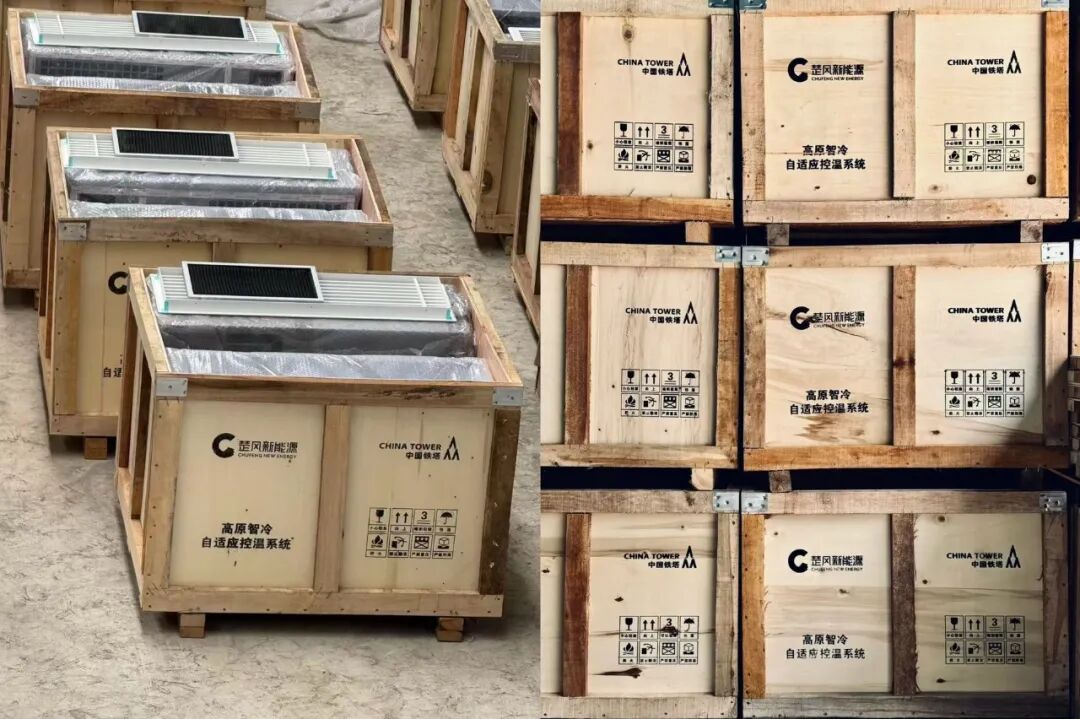
Chufeng New Energy recently shared the first delivery record for a China Tower Tibet project. As a strategic partner of Passive Edge, Chufeng is scaling PCM temperature-control base stations for edge-computing infrastructure, with Passive Edge supporting the system through EDGE Material Inside.
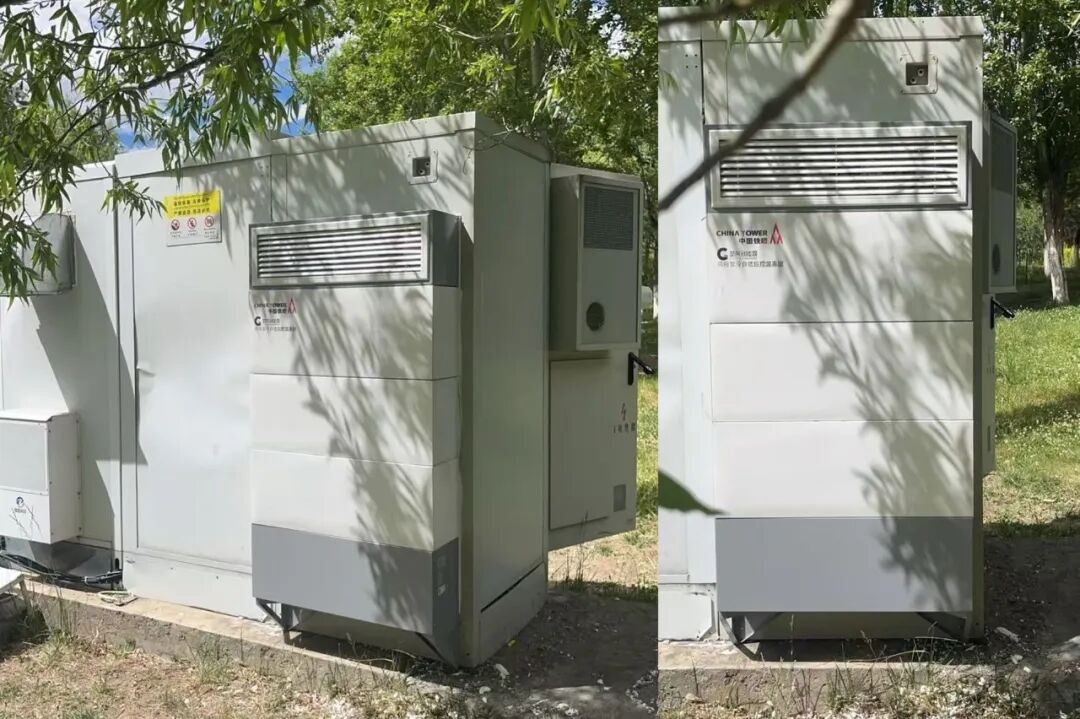
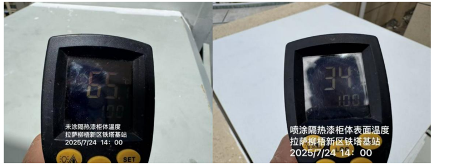
At high altitude, strong solar radiation and large day-night temperature swings create a persistent thermal-management challenge for communication and edge-computing base stations. According to Chufeng New Energy's public report, cabinet temperatures in plateau sites can exceed 40°C during the day, and may approach or pass the 50°C risk zone without effective intervention.
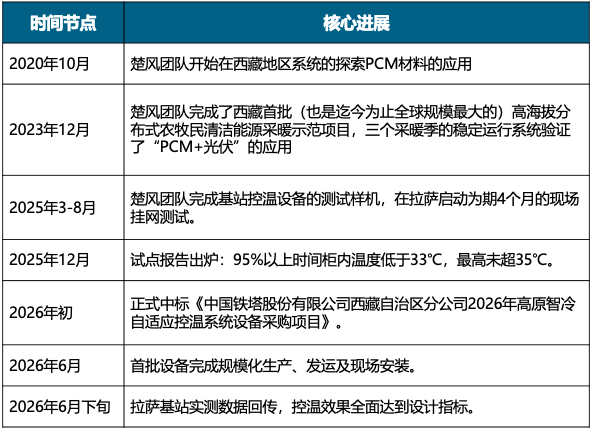
In the reported China Tower Tibet deployment, Chufeng applied PCM cooling-storage technology to base-station cabinet temperature control. As a strategic partner of Passive Edge, Chufeng is advancing the scaled deployment of 1,000 edge-computing base stations with PCM temperature control.
Passive Edge supports the collaboration through its EDGE Material Inside model, providing PCM materials and thermal-management support that are embedded inside partner equipment and systems. The material absorbs heat as temperature rises and releases cooling capacity as conditions fall back, giving the base-station cabinet a passive thermal buffer.
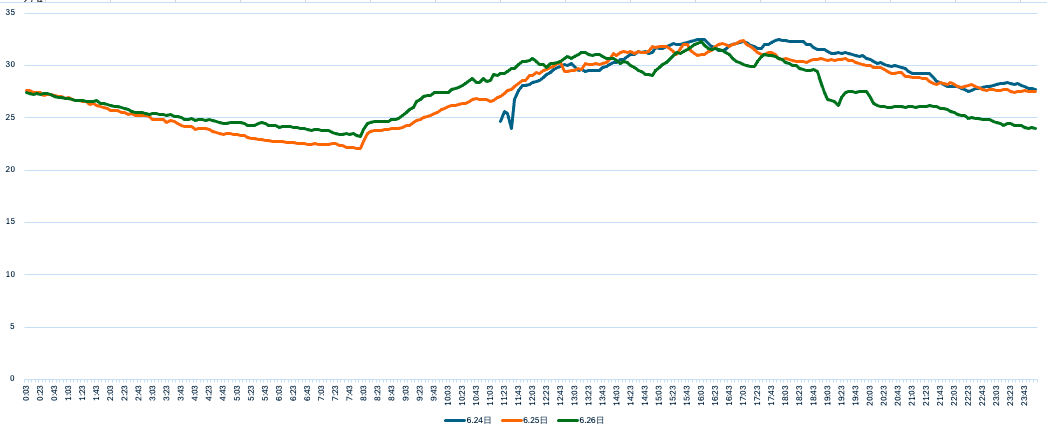
The field data reported by Chufeng showed that during a 72-hour test at a Lhasa base station, with conventional air-conditioning and fresh-air systems turned off, cabinet temperature peaks were held to 32.5°C, 32.4°C, and 32.3°C across three days, never crossing the 35°C safety line. Total system power was reduced from roughly 600W for conventional air conditioning to about 190W, representing more than 60% energy savings.
Edge-computing base stations are deployed closer to users, data sources, and application sites, where they support communications, local processing, and on-site computing. Compared with traditional communication sites, they carry higher power density and stricter requirements for temperature stability and energy efficiency. In renewable-powered, weak-grid, off-grid, or high-temperature environments, thermal management directly affects uptime and service continuity.
As AI workloads move closer to field sites and end devices, edge computing will become an important part of the AI-era compute system. Passive Edge will continue working with partners to deploy distributed thermal capacity and strengthen thermal resilience across edge-computing infrastructure.